
SERVICES
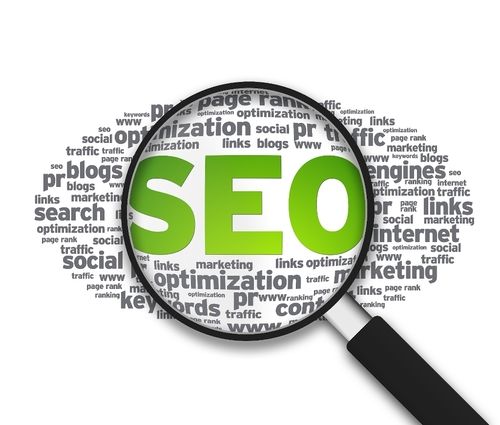
Search Engine Optimisation (SEO)
SEO, or Search Engine Optimization, is the art and science of making your website more visible to people using search engines like Google or Bing. At its core, it’s about understanding what your audience is searching for online—the specific words they use and the type of content they want to consume—and then structuring your site to meet those needs. By optimizing elements like keywords, page speed, and mobile-friendliness, you improve your chances of appearing at the top of the “organic” (non-paid) search results, which builds long-term credibility and trust with your visitors.
Beyond just technical tweaks, effective SEO focuses on authority and relevance. This involves creating high-quality, valuable content that other reputable websites want to link back to, a process known as backlinking. Search engines view these links as “votes of confidence,” signaling that your site is a reliable source of information. When you combine a seamless technical user experience with genuine value, search engines reward you with higher rankings, ultimately driving more consistent traffic to your site without the ongoing cost of traditional advertising.
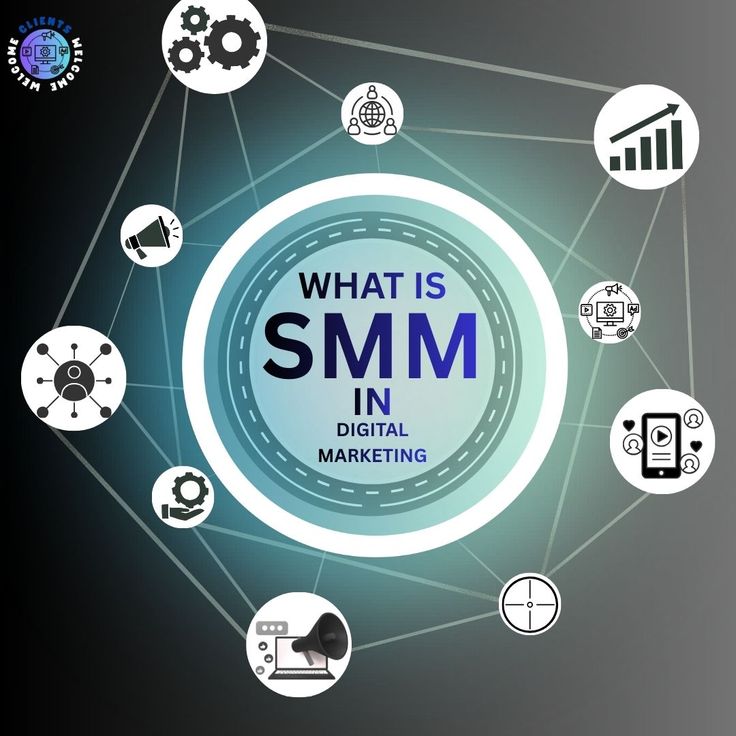
Social Media Marketing (SMM)
SMM, or Social Media Marketing, is the practice of using platforms like Instagram, TikTok, LinkedIn, and Facebook to connect with your audience, build your brand, and drive sales. Unlike the passive nature of search engines, SMM is highly interactive and relies on engagement. It involves a mix of organic content—like posts, stories, and reels—and paid advertising targeted at specific demographics. The goal is to meet your customers where they already spend their time, fostering a community through direct conversation and relatable storytelling.
The real power of SMM lies in its ability to provide instant feedback and viral potential. By analyzing data such as likes, shares, and comments, businesses can pivot their strategies in real-time to match current trends or customer pain points. Because social media is inherently personal, it allows brands to humanize themselves, moving away from “corporate speak” to build authentic relationships. When done correctly, SMM doesn’t just push a product; it creates brand advocates who share your message with their own networks, exponentially increasing your reach.
Content Marketing (CM)
Content Marketing is a strategic approach focused on creating and distributing valuable, relevant, and consistent material to attract and retain a clearly defined audience. Unlike traditional advertising that “interrupts” the consumer with a sales pitch, content marketing aims to solve problems or provide entertainment first. By publishing blog posts, videos, podcasts, or infographics that address your audience’s specific needs, you establish your brand as a helpful resource rather than just a vendor, which builds deep-seated brand loyalty over time.
The ultimate objective of content marketing is to drive profitable customer action by guiding users through a “buyer’s journey.” By providing the right information at the right time—such as educational guides for beginners or comparison whitepapers for experts—you nurture leads and build the trust necessary for them to choose your product when they are finally ready to buy. It is a long-term play that works hand-in-hand with SEO and SMM, providing the “substance” that search engines rank and social media users share.
Pay Per Click
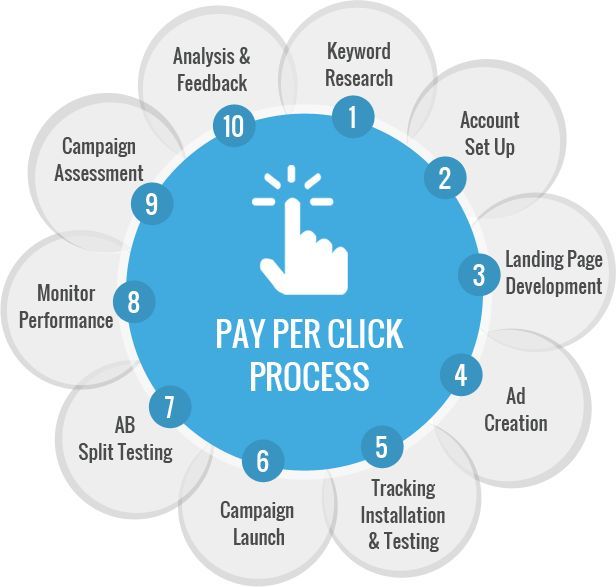
PPC, or Pay-Per-Click, is a model of digital advertising where businesses pay a fee each time one of their ads is clicked. Essentially, it is a way of buying visits to your site rather than attempting to “earn” them organically through SEO. The most popular platform for this is Google Ads, where advertisers bid for ad placement in a search engine’s sponsored links when someone searches on a keyword that is related to their business offering. Because you only pay when someone actually engages with your ad, it is a highly measurable and controllable way to drive traffic.
The primary advantage of PPC is its immediacy and precision targeting. Unlike SEO, which can take months to show results, a PPC campaign can generate leads and sales the moment it goes live. You can narrow your audience down by specific keywords, geographic location, time of day, and even the type of device they are using. This makes it an incredibly effective tool for testing new products, promoting seasonal offers, or competing for top-of-page real estate in highly crowded markets where organic competition is fierce.
E-mail Marketing
Email Marketing is the practice of sending commercial messages, such as newsletters, promotions, or personalized updates, directly to a group of people via email. Unlike social media, where algorithms dictate who sees your posts, email marketing gives you direct ownership of your audience connection. It starts with building an “opt-in” list of subscribers who have expressed interest in your brand, allowing you to bypass the noise of public platforms and land straight in a customer’s personal inbox with tailored messaging.
The true strength of email marketing lies in its high Return on Investment (ROI) and automation. By segmenting your list based on customer behavior—such as what they’ve purchased or which links they’ve clicked—you can send highly relevant content that feels personal rather than spammy. Automated “drip campaigns” can welcome new subscribers, recover abandoned shopping carts, or celebrate birthdays without manual effort. This consistency keeps your brand top-of-mind, turning one-time buyers into loyal, repeat customers through steady, value-driven communication.
Web Development
Web Development is the technical process of building, creating, and maintaining websites and web applications that run in a browser. It is broadly divided into two main categories: Front-end (the “client-side”) and Back-end (the “server-side”). Front-end development focuses on everything a user sees and interacts with—like layouts, buttons, and fonts—using languages such as HTML, CSS, and JavaScript. Back-end development, on the other hand, involves the “behind-the-scenes” logic, databases, and server configurations that power the site’s functionality, often utilizing languages like Python, PHP, or Ruby.
In the modern digital landscape, web development is increasingly focused on responsiveness and user experience (UX). A well-developed site must function seamlessly across a variety of devices, from desktop monitors to smartphones, ensuring that the interface adapts to different screen sizes. Beyond just writing code, developers must prioritize security, site speed, and accessibility to ensure the website is safe from cyber threats and usable for everyone. When technical development is executed correctly, it provides the stable foundation upon which all other digital marketing efforts—like SEO and content marketing—can succeed.